At some point, every business hits a wall. For some, it feels like the end. For others, it’s the moment they sharpen their strategy and break through.
Revenue stalls. Costs rise. Teams keep moving, but not in the same direction. The problem isn’t lack of effort, it’s hidden misalignments quietly compounding across marketing, sales, operations, and customer experience.
Many leaders don’t recognize the early signs of a slowdown. Understanding how growth stalls really happen helps teams adapt before momentum is lost. The solution isn’t bigger ad budgets or more campaigns, it’s uncovering the hidden bottlenecks and restoring alignment across the engine that powers your growth.
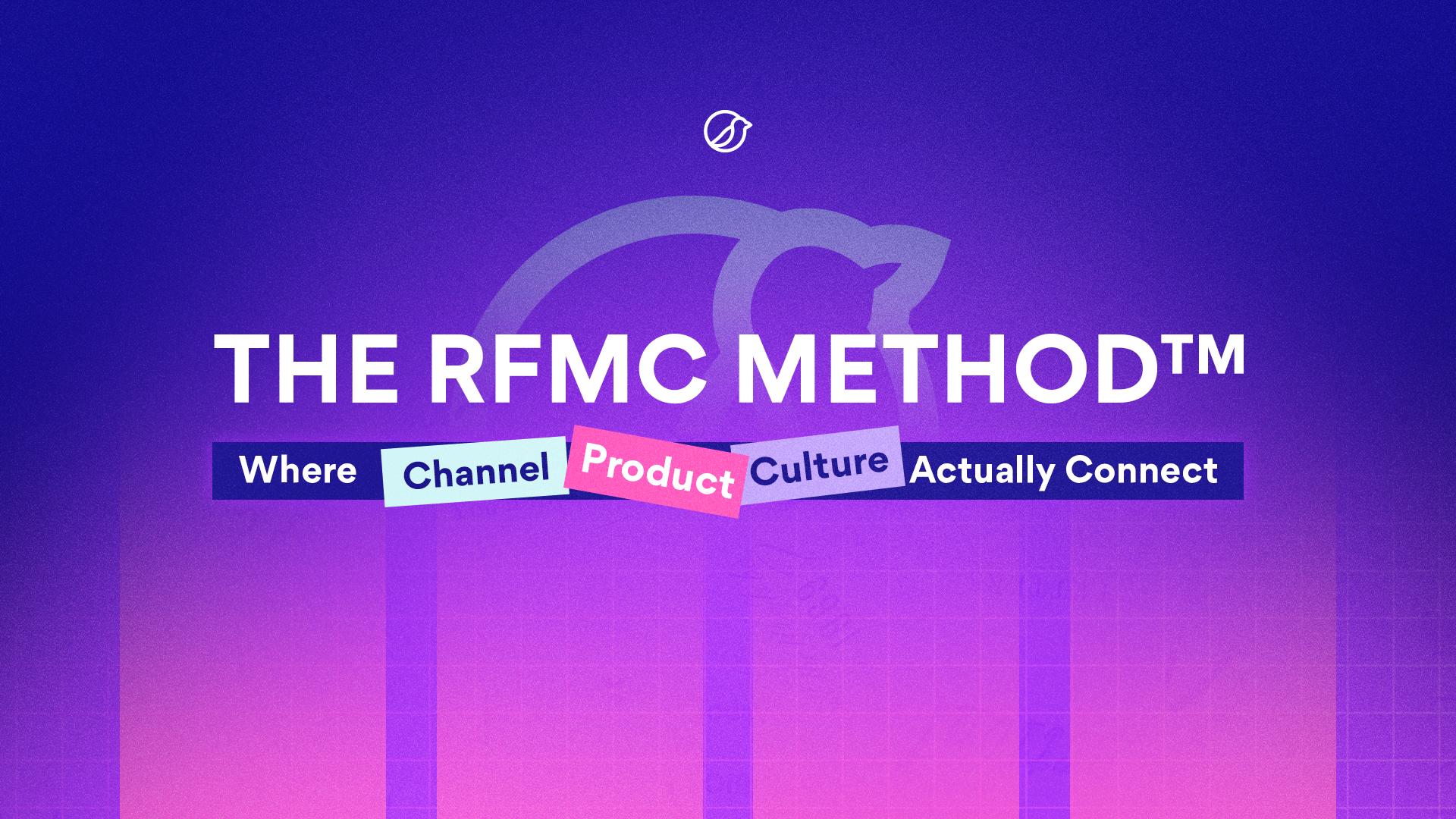
That’s the core of the Rosy Finch Method (RFMC): a six-pillar framework designed to diagnose what’s blocking you, quantify the impact, and build a clear path forward.
- Lack of Alignment: How Misaligned Teams Stall Growth
When marketing focuses on impressions, sales on volume, and leadership on “brand awareness,” but no one shares the same definition of success, growth slows down fast. Misalignment doesn’t just waste energy, it multiplies inefficiencies over time.
The RFMC was born out of these exact challenges. In fact, the story behind RFMC shows how a structured framework can turn scattered efforts into a shared strategy.
- Competitive Landscape Blind Spots
When you don’t know where competitors are investing, winning, or shifting strategy, you’re effectively competing in the dark. A plateau often begins when the external terrain changes and internal teams don’t adapt.
Staying agile isn’t optional in fast-changing markets. Our community has shared powerful lessons on this in growth and creativity highlights, showing how creative teams pivot faster when they have visibility.
- Creative Benchmarking in a Noisy Market
You can buy reach, but you can’t buy attention. If your message disappears in the noise, your growth will too. Great creatives aren’t about pretty visuals. It’s about clarity, voice, and positioning. Storytelling earns trust and keeps sales conversations moving forward.
- Audience Targeting Strategy Gaps
Reaching many but converting few is a silent growth killer for brands. It usually means you’re talking to the wrong people or speaking the right message in the wrong way. Precise targeting aligned with storytelling creates consistency, which is key for sustainable growth.
- Customer Journey Optimization to Reduce Friction
When leads enter your funnel but don’t convert, the issue isn’t demand, it’s friction. A leaky journey, unclear ownership, or slow follow-up is often where momentum dies.
Mapping this journey end to end helps identify the subtle points where prospects drop off, and gives your team a clearer, shared view of the path to conversion.
- Tracking CAC and LTV to Tie Marketing to Revenue
Clicks, impressions, and downloads are vanity metrics if they don’t connect to revenue. If you can’t prove the marketing impact of a brand, growth slows and leadership loses confidence.
Tracking CAC and LTV consistently allows marketing and sales to speak the same language and align around what actually drives growth.
Conclusion
A growth plateau isn’t failure, it’s a signal to act. The most resilient companies don’t wait it out, they use it to reset and scale smarter. The Rosy Finch Method (RFMC) reveals hidden misalignments, measures their impact, and rebuilds for sustainable growth.
Book a strategy session and take the first step toward your next stage!